01 / BATCH HEATING
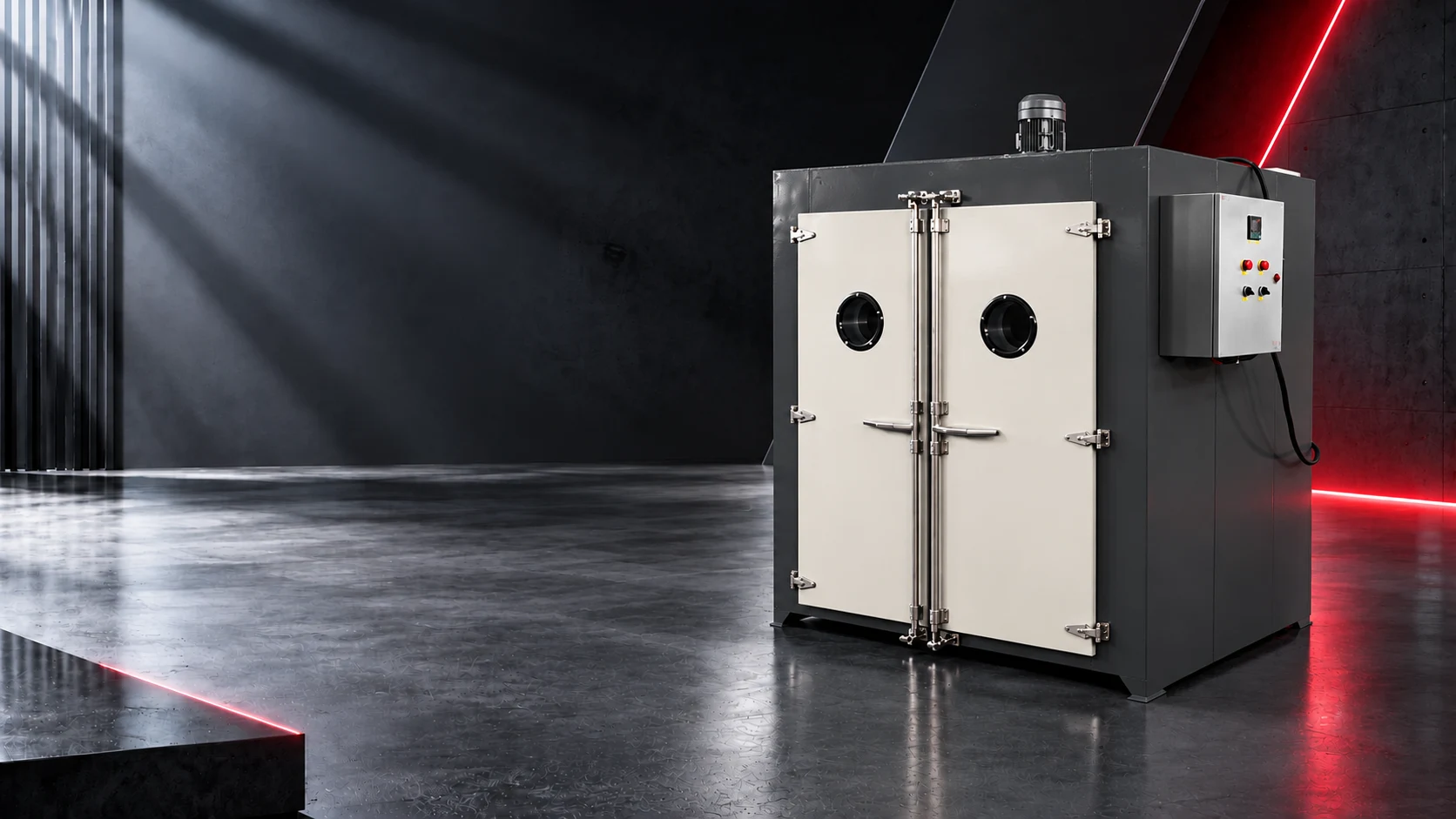
Cabinet ovens
For trays, shelves and smaller fixtures. Check the usable workspace, shelf spacing and clearance for air to move around the load.
Send oven requirements ↗ DIANREZHANELECTRIC HEATINGGet a preliminary selection ↘
INDUSTRIAL OVENS / BATCH PROCESSING
Start with the load.
Build around the process.
Compare cabinet ovens, truck-in ovens and walk-in rooms for batch preheating, drying and curing. Start with load dimensions, batch mass and process time, then confirm the configuration for your material and site.
01 / EQUIPMENT ARRANGEMENTS
For trays, shelves and smaller fixtures. Check the usable workspace, shelf spacing and clearance for air to move around the load.
Send oven requirements ↗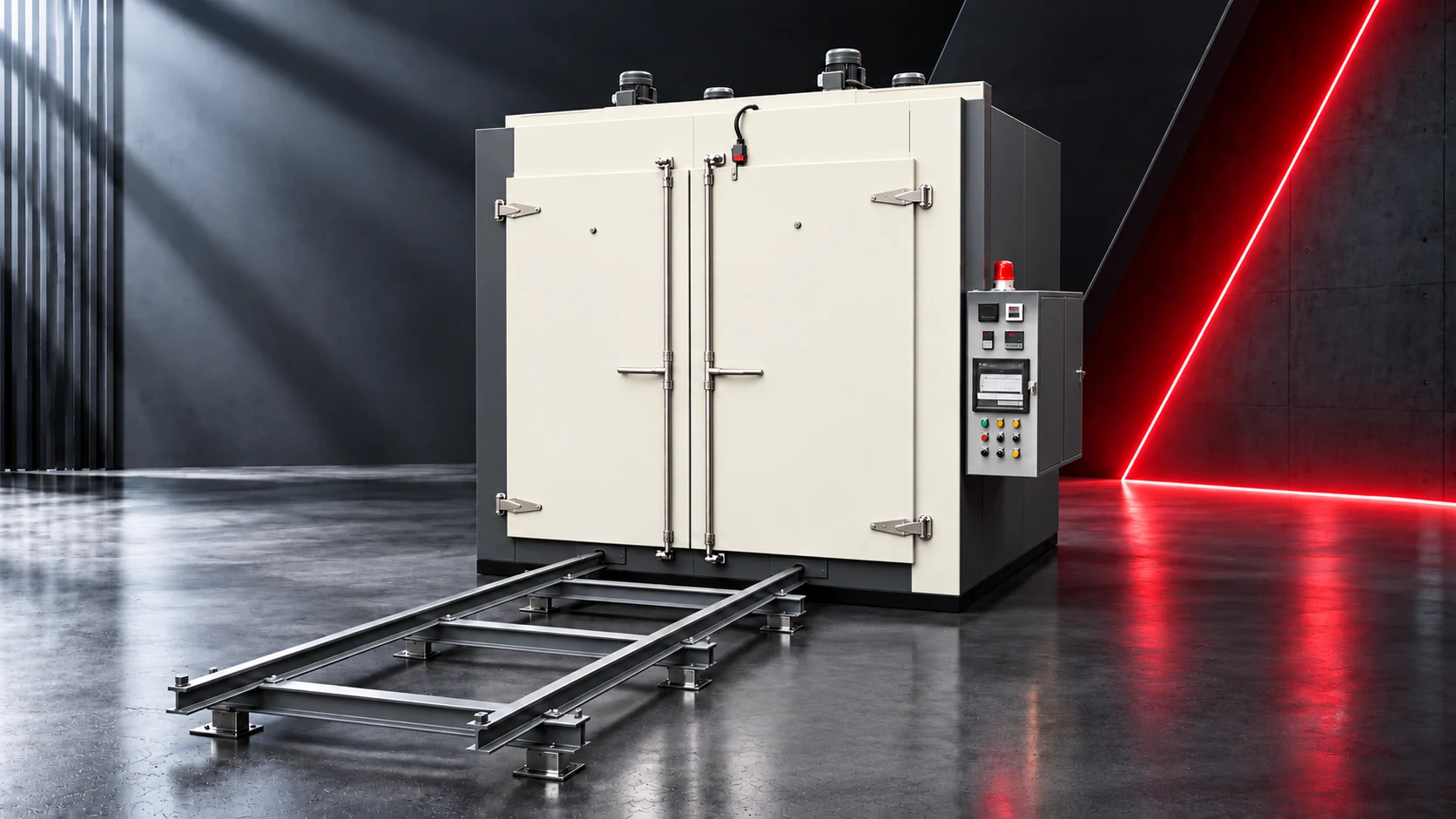
For moving a batch on rails or a loading cart. Confirm total load mass, cart dimensions, handling clearance and floor conditions.
Send oven requirements ↗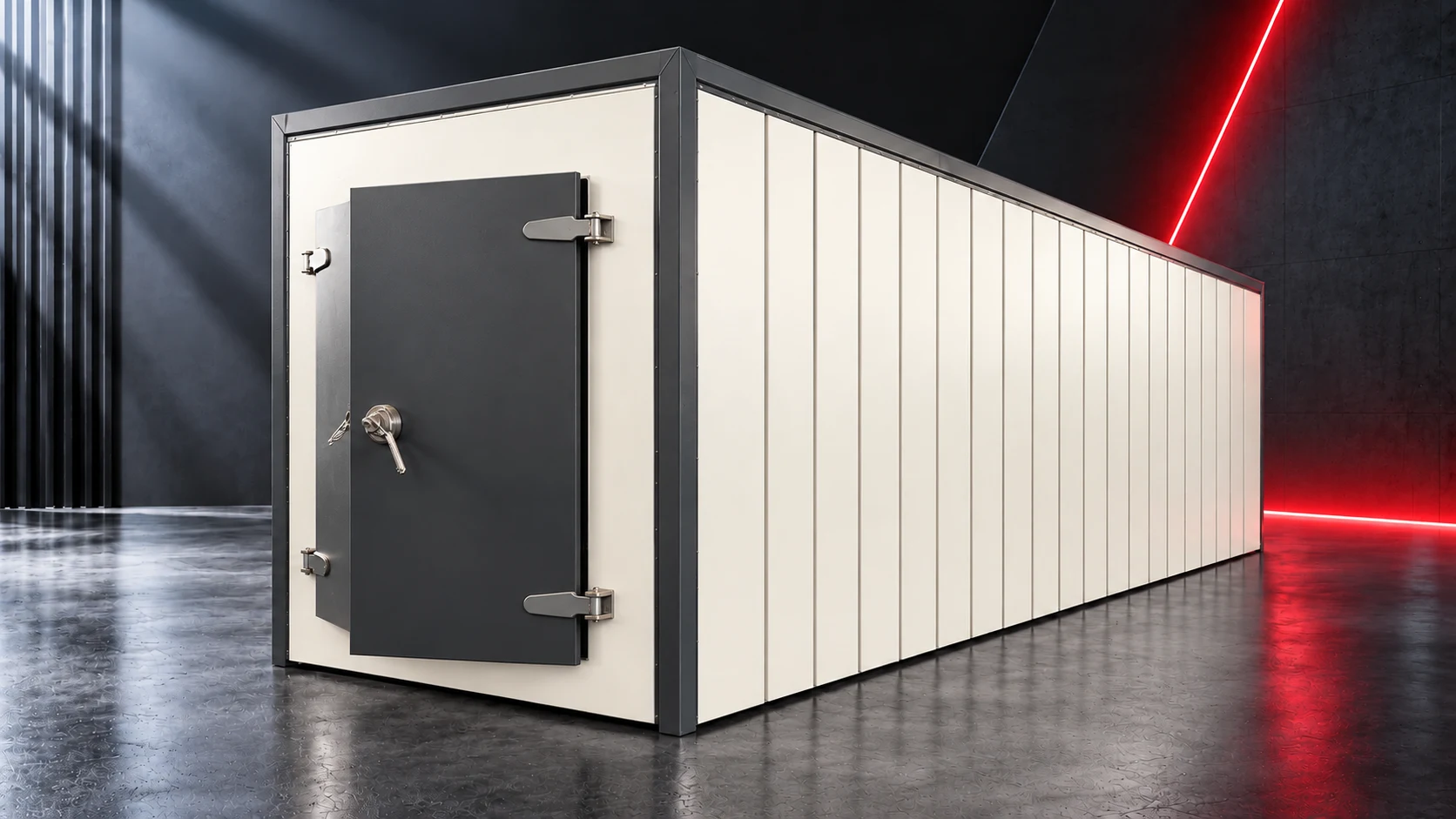
For larger parts or multiple carts. Check the doorway, internal layout, airflow arrangement and available installation space.
Send oven requirements ↗Renders are based on the supplied equipment photographs and illustrate structural arrangements. Dimensions, configuration and performance are subject to the confirmed proposal.
STRUCTURE COMPARISON
Similar chamber sizes can have different handling and floor-space requirements. Start with the parts and fixtures before comparing temperatures and cycle times.
Swipe the table sideways on smaller screens.
| Arrangement | Loading method | Data to confirm | Layout and operating limits |
|---|---|---|---|
| Cabinet oven | Trays, shelves or manual batch loading | Shelf load, spacing and usable internal dimensions | Check reach, door clearance and airflow passages |
| Truck-in oven | An entire load enters on a truck | Combined product/truck mass, tracks or ramp | Include truck heat capacity and confirm floor loads and traffic routes |
| Walk-in room | Large parts, racks or loading carts | Door opening, qualified workspace and loading density | Door clearance is not the usable workspace; allow service access |
INTERACTIVE EXPLORER
Explore a double-door cabinet layout: doors, shelves, a conceptual circulation path and interlock responses. Drag to rotate, zoom, or choose a viewing mode.
Conceptual model based on the product arrangement; internal geometry and flow are illustrative, not measured construction or a temperature calculation.
CONTROL & PROTECTION
These are functions to discuss during selection. Installed equipment, response sequences and acceptance tests must be defined in its electrical drawings and process specification.
Check the process controller and independent heat cut-off separately. Investigate a trip before resetting according to the equipment instructions.
A fan start command alone does not establish airflow. Confirm how flow is proven and how heat is removed on a fault.
State water or solvent release per batch. Flammable vapors or dust require a separate ventilation and protection review; an ordinary oven is not automatically suitable.
Define the response of heat, recirculation and exhaust to door opening. Controlled cool-down and emergency stop need their own agreed sequences.
Design principles: Grieve · General oven instructions · Despatch · Engineering guide
02 / SELECTION CHECKS
Part, fixture and tray dimensions, with loading and airflow clearance. External size is not usable chamber size.
List the mass of the parts, trays, fixtures and loading cart separately.
Starting and target temperatures, heat-up time and soak time. State whether the criterion refers to air or part temperature.
Load spacing, tray openings, moisture and volatile release affect circulation and exhaust requirements.
Power supply, footprint, doorway and access routes, plus loading and maintenance clearance.
Define control, recording, alarm and acceptance requirements. Specify the conditions for any temperature uniformity test.
03 / PROCESS SEQUENCE
Confirm placement, total load and clear air passages.
Circulating air transfers heat to the load. Part temperature generally lags behind air temperature.
Start timing at the agreed process condition and account for moisture or exhaust needs.
Confirm the unloading temperature and turnaround time before planning the next batch.
04 / PRACTICAL QUESTIONS
These are common loading arrangements. Cabinet ovens often use trays or shelves; truck-in ovens allow a batch to move on a cart; walk-in rooms provide a larger working space. Truck-in and walk-in configurations can overlap. Select around the load and handling method.
Volume alone is insufficient. Include the parts and fixtures, material properties, heat-up time, enclosure losses, exhaust and moisture evaporation where relevant. Empty-chamber heat-up time does not establish a loaded process cycle.
Use the process acceptance criterion. If the part must reach temperature before soaking, use appropriate load temperature measurement or a validated process. Air temperature is not a direct substitute for part temperature.
Identify the volatile substances, release rates and process conditions first, then confirm the equipment design, exhaust and interlocks. Appearance alone does not establish that a general-purpose recirculating oven is suitable.
Manufacturer guidance provides further context on loading methods, circulation airflow and temperature uniformity.
Despatch · Airflow & uniformity ↗Wisconsin Oven · Batch ovens ↗Include the product and fixtures in a preliminary sensible-heat calculation.
Open process calculator →05 / YOUR PROCESS
Enter the information you already have and mark other details as “to be confirmed”. Add your contact details to send the requirements for review.